
Selected
JOURNEYS
"Travelling - it leaves you speechless, then turns you into a storyteller",
by Ibn Battuta.
Our journeys are bold and ambitious, and perhaps the flagship of this homepage.
Although we are also trekking and island nerds, our journeys are sorts of trailblazing travel expeditions which are unique, challenging and adventurous, and thus they epitomize our spirit within adventure.
Often, the regions, countries and places we visit during our journeys take on an exotic quality. What matters is to get away from the established routes and seek something that little bit more special and authentic. Often, we might have to overcome a bit of hardship and logistical challenges since our journeys most often don’t run smoothly. This is all part of the fun.
In our view, a journey is something you would recommend to others. To us, what really matters, is to get away from the established routes and seek something that little bit more special and authentic. We are not talking about the ultimate expedition, but to move away from the familiar, out of the comfort zone, where everyday situations and events take on an exotic quality.
Selected
JOURNEYS
"Travelling - it leaves you speechless, then turns you into a storyteller",
by Ibn Battuta.
Our journeys are bold and ambitious, and perhaps the flagship of this homepage.
Although we are also trekking and island nerds, our journeys are sorts of trailblazing travel expeditions which are unique, challenging and adventurous, and thus they epitomize our spirit within adventure.
Often, the regions, countries and places we visit during our journeys take on an exotic quality. What matters is to get away from the established routes and seek something that little bit more special and authentic. Often, we might have to overcome a bit of hardship and logistical challenges since our journeys most often don’t run smoothly. This is all part of the fun.
In our view, a journey is something you would recommend to others. To us, what really matters, is to get away from the established routes and seek something that little bit more special and authentic. We are not talking about the ultimate expedition, but to move away from the familiar, out of the comfort zone, where everyday situations and events take on an exotic quality.
Selected
JOURNEYS
"Travelling - it leaves you speechless, then turns you into a storyteller",
by Ibn Battuta.
Our journeys are bold and ambitious, and perhaps the flagship of this homepage.
Although we are also trekking and island nerds, our journeys are sorts of trailblazing travel expeditions which are unique, challenging and adventurous, and thus they epitomize our spirit within adventure.
Often, the regions, countries and places we visit during our journeys take on an exotic quality. What matters is to get away from the established routes and seek something that little bit more special and authentic. Often, we might have to overcome a bit of hardship and logistical challenges since our journeys most often don’t run smoothly. This is all part of the fun.
In our view, a journey is something you would recommend to others. To us, what really matters, is to get away from the established routes and seek something that little bit more special and authentic. We are not talking about the ultimate expedition, but to move away from the familiar, out of the comfort zone, where everyday situations and events take on an exotic quality.
Selected
JOURNEYS
"Travelling - it leaves you speechless, then turns you into a storyteller",
by Ibn Battuta.
Our journeys are bold and ambitious, and perhaps the flagship of this homepage.
Although we are also trekking and island nerds, our journeys are sorts of trailblazing travel expeditions which are unique, challenging and adventurous, and thus they epitomize our spirit within adventure.
Often, the regions, countries and places we visit during our journeys take on an exotic quality. What matters is to get away from the established routes and seek something that little bit more special and authentic. Often, we might have to overcome a bit of hardship and logistical challenges since our journeys most often don’t run smoothly. This is all part of the fun.
In our view, a journey is something you would recommend to others. To us, what really matters, is to get away from the established routes and seek something that little bit more special and authentic. We are not talking about the ultimate expedition, but to move away from the familiar, out of the comfort zone, where everyday situations and events take on an exotic quality.
Selected
JOURNEYS
"Travelling - it leaves you speechless, then turns you into a storyteller",
by Ibn Battuta.
Our journeys are bold and ambitious, and perhaps the flagship of this homepage.
Although we are also trekking and island nerds, our journeys are sorts of trailblazing travel expeditions which are unique, challenging and adventurous, and thus they epitomize our spirit within adventure.
Often, the regions, countries and places we visit during our journeys take on an exotic quality. What matters is to get away from the established routes and seek something that little bit more special and authentic. Often, we might have to overcome a bit of hardship and logistical challenges since our journeys most often don’t run smoothly. This is all part of the fun.
In our view, a journey is something you would recommend to others. To us, what really matters, is to get away from the established routes and seek something that little bit more special and authentic. We are not talking about the ultimate expedition, but to move away from the familiar, out of the comfort zone, where everyday situations and events take on an exotic quality.
From Europe to the Himalayas along
THE HIPPY TRAIL
Part II
From Europe to the Himalayas along
THE HIPPY TRAIL
Part II
From Europe to the Himalayas along
THE HIPPY TRAIL
Part III
From Europe to the Himalayas along
THE HIPPY TRAIL
Part III
TravelTwins.dk
Exploring the less beaten paths of the world
- look, read, dream, travel!

Finnish-Russian borderlands:
KARELIA
A slow journey through Finnish Karelia combining pilgrimage, hiking, and paddling to experience living Orthodox monasteries, ancient culture, and deep Nordic stillness.
Under contruction 2026.
Karelia's Finnish-Russian borderlands are a historically contested region characterized by stunning taiga landscapes, vast lakes (Ladoga & Onega), and a rich Finno-Ugric culture, now split between the Russian Republic of Karelia and eastern Finland's Karelia province.
We followed the orthodox pilgrams to monestaries, did mutiple treks in deep forests and tackled the lakes on stand-up paddle board trips.
Location: Finish Karelia
Under contruction 2026.
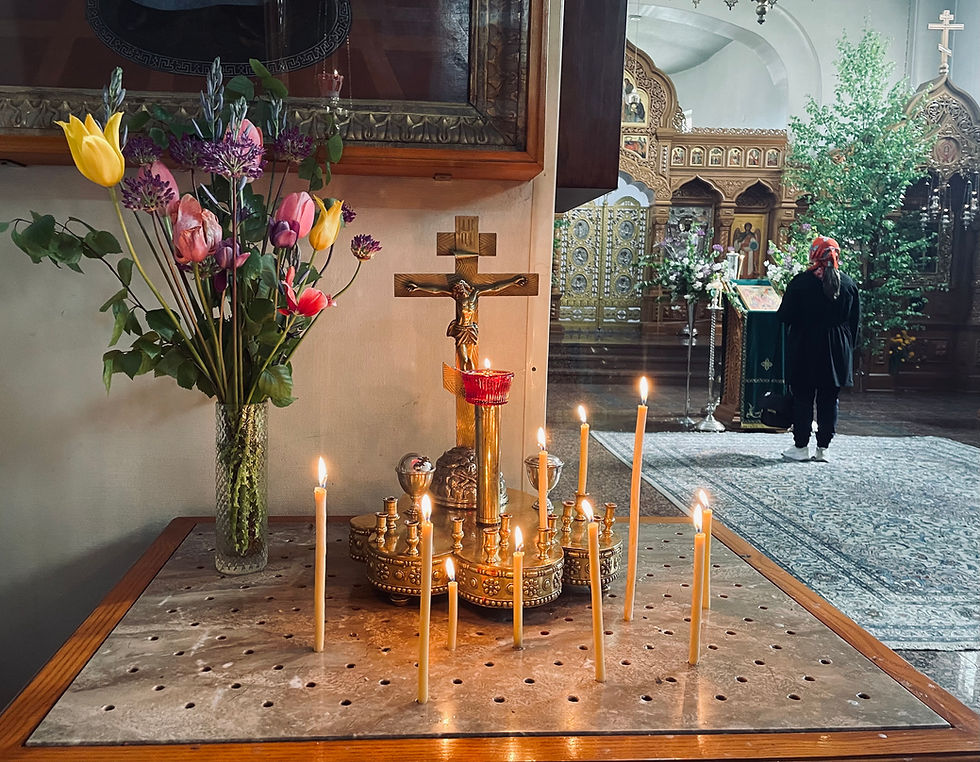
In eastern Finland, where dense coniferous forests meet countless lakes, lies the country’s spiritual heart of Orthodox Christianity. Near the village of Heinävesi in Finnish Karelia are two living monasteries that serve as spiritual anchors for Finland’s Orthodox minority. Far less known than Mount Athos, St. Catherine’s on Sinai, or Rila in Bulgaria, New Valamo and Lintula nonetheless offer an intimate encounter with Orthodox faith and practice.
We went there in the footsteps of pilgrims from Eastern Europe, Greece, and the small Karelian population of Finland. Long monastery visits were combined with hiking and paddling through Karelia’s striking landscapes, where history, nature, and spirituality intertwine.
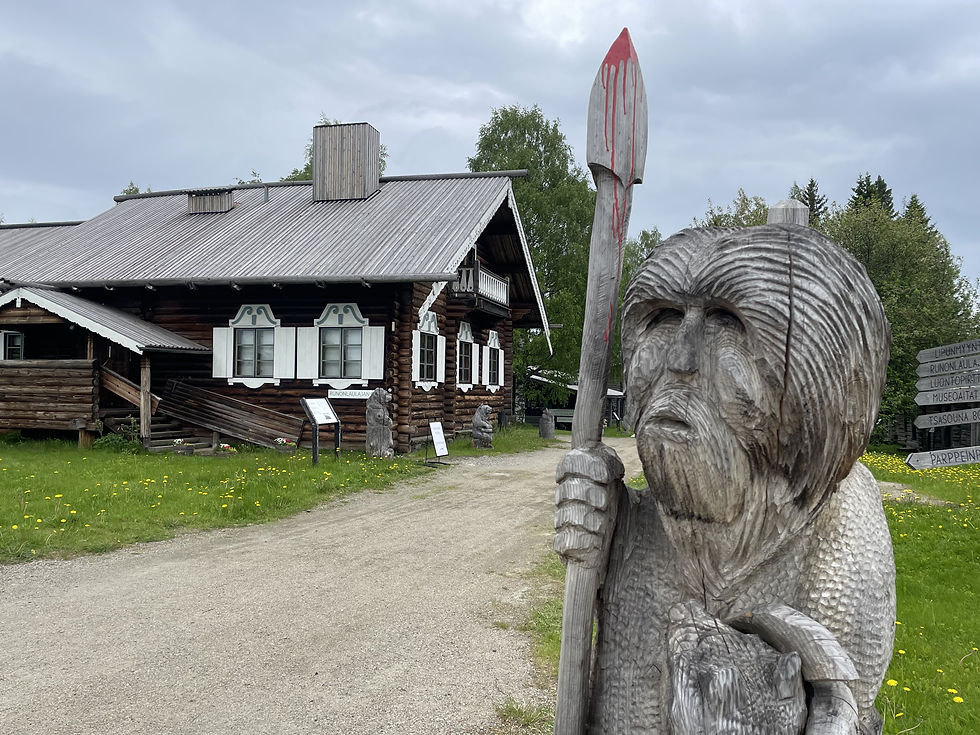
For over a thousand years, Karelia - divided between Finland and Russia - has been a cultural crossroads. Influenced by Vikings, Slavic tribes, and the Karelians themselves, the region developed a strong identity rooted in its own language, folklore, and traditions. Through close ties with Russia, Orthodox Christianity took hold here after the Christianization of the Rus in 988, bringing Byzantine liturgy, art, and spirituality northward. This legacy is still palpable today: a quiet, almost physical sense of peace permeates the monasteries and wooden churches, surviving centuries of shifting borders and conflict.
Karelian folklore, songs, and crafts continue alongside Orthodox Christianity, blending ancient nature rituals with church traditions. Forest spirits are honored before harvests, priests bless the fields, and churches and homes alike are decorated with evergreens at Christmas. Nature, belief, and daily life flow together seamlessly, making Karelia a rare European example of this synthesis.
New Valamo, Finland’s largest monastery, lies surrounded by dark green forest. Life here follows a steady rhythm of prayer, work, and shared meals. The architecture, which is simple, harmonious, and richly adorned with icons, fits gently into the surrounding lakes and woods. Inside, a museum traces Orthodox monastic life from the 18th century to today, telling the story of evacuation during wartime and rebuilding in Finland through sacred art and historical objects.
We shared lunch with the monks in a sparse refectory, eating soup, bread, salmon, and vegetables made on site, accompanied by sweet mead. Later, monks showed us their workshops and spoke proudly of their small-scale wine production. In the church, the slow, resonant Valamo chant lingered long after the final note, leaving us with a deep inner calm.
Next, we visited Lintula, a smaller and more secluded convent rooted in the Eastern Orthodox tradition of female monasticism. Though monastic life is defined by withdrawal from the world, Lintula is open and welcoming. Set quietly into nature, the convent feels deliberately understated, as if nothing should distract from the inner life. The nuns live by a steady rhythm of prayer, work, and community, where repetition is experienced not as restriction but as freedom. They welcomed us with warmth and simplicity, speaking softly about their daily lives. Every task - whether in the garden, kitchen, or workshops - has meaning and place. At the edge of a large garden, they run a small café serving homemade pastries from their own fruit, where we paused for coffee and absorbed the stillness that defines the convent.
Together, the two monasteries showed us how a pilgrimage in Finnish Karelia can be both a journey through history and culture and an inward journey toward reflection and peace. Even our youngest travelers were deeply moved. Between paddleboarding on quiet lakes, sauna evenings in our wooden cabin, and trekking in several wilderness areas including Koli National Park, we experienced a sense of calm that is hard to find elsewhere in Europe. We left Karelia carrying that stillness with us, captured perfectly in a local Karelian saying: "faith grows where silence meets the forest".
Selected pics, under construction:





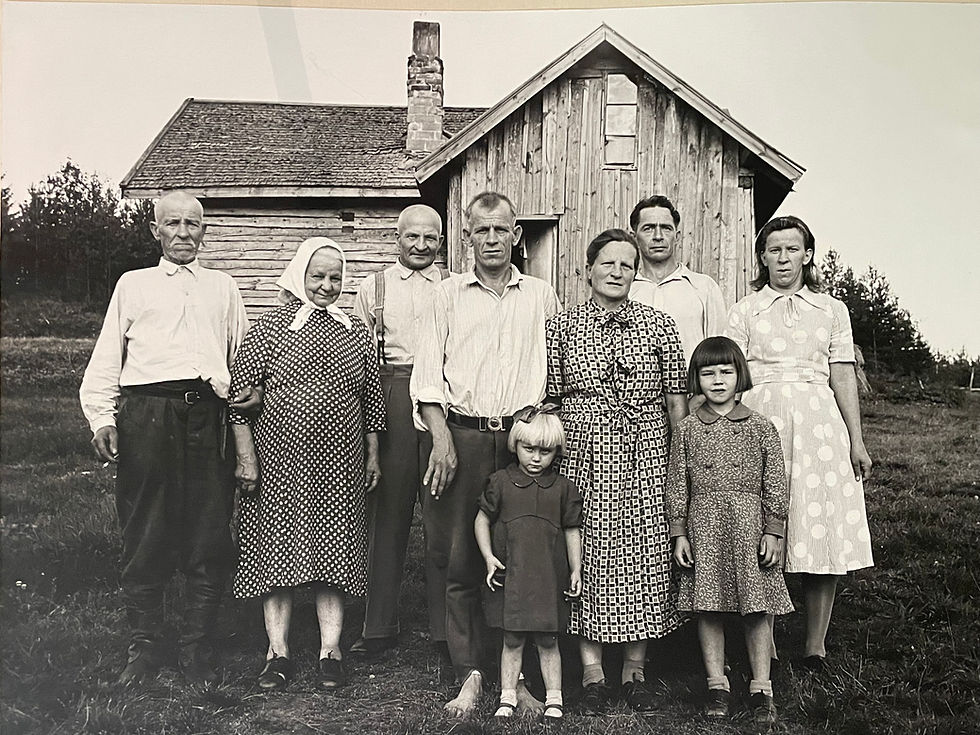
Photograph from the Karelian Cultural Museum


